 +91-7413 000 147
 Hair Transplant For Men
Hair Transplant For Men
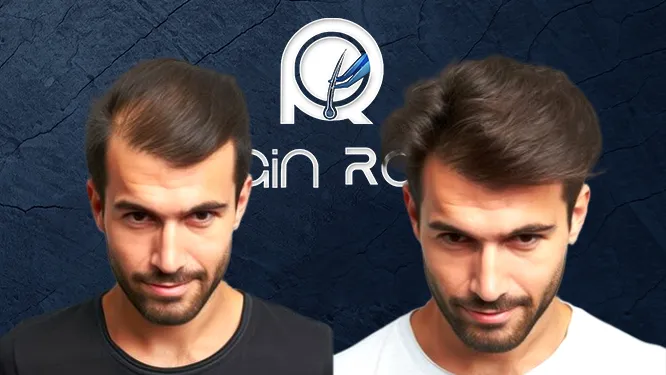
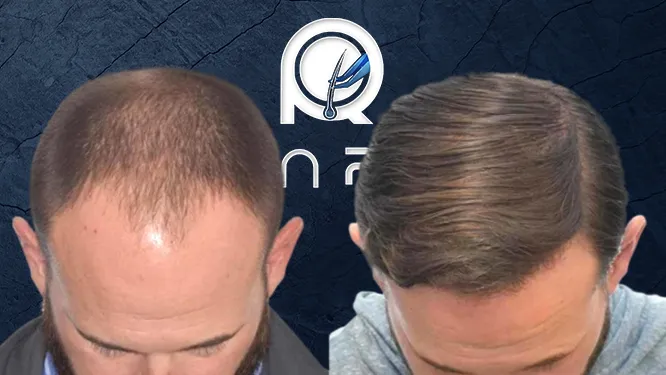
Restoring Hair and Confidence Hair transplants have become a transformative solution for men seeking to restore not only their hair but also their self-confidence. Whether it's a receding hairline, thinning crown, or more advanced baldness, modern advancements in hair restoration—such as those offered at Regain roots—make it possible to achieve natural-looking, long-lasting results.
Understanding Hair Loss in Men
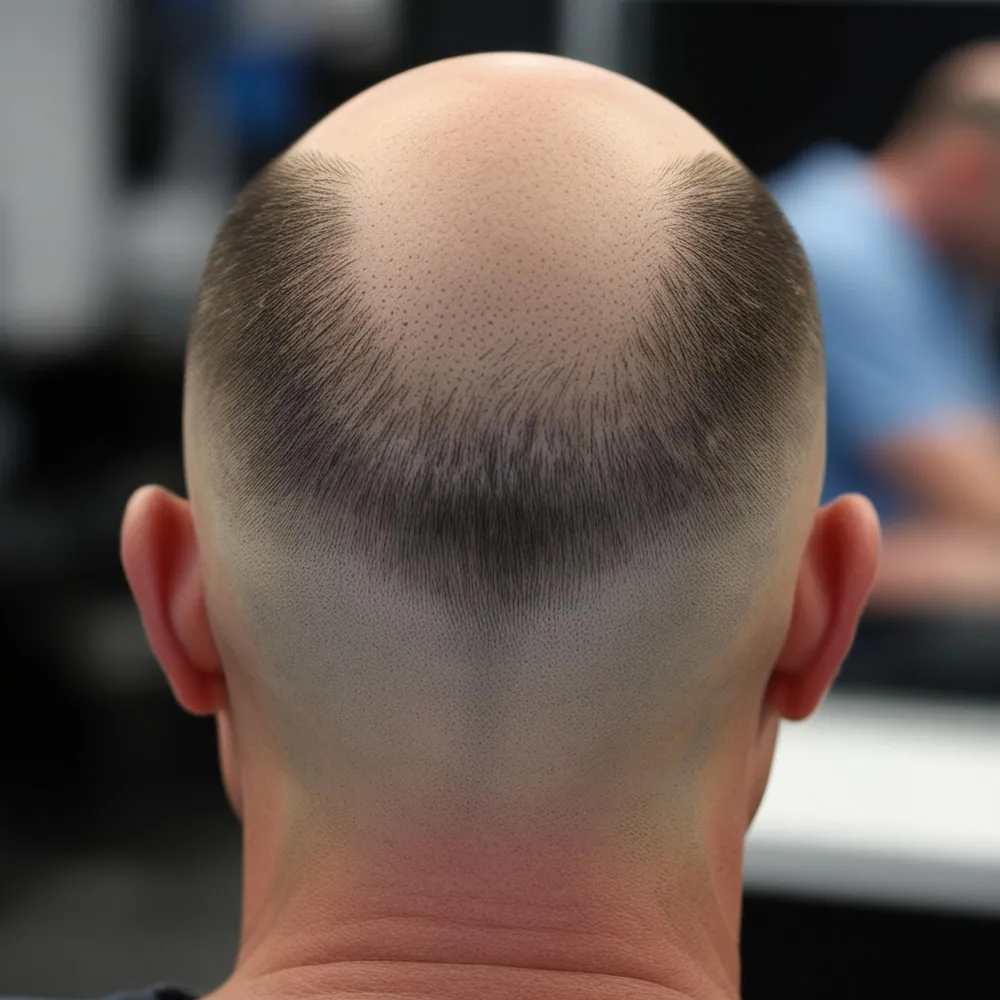
Types of hair transplant methods
Follicular Unit Extraction (FUE)
Follicular Unit Extraction (FUE) is a modern, minimally invasive hair restoration technique. In this method, individual hair follicles are meticulously extracted from a donor area—usually the back or sides of the scalp, where hair is genetically resistant to balding—and transplanted to areas affected by hair loss. FUE offers several advantages: No linear scarring: Unlike the older FUT (Follicular Unit Transplantation) technique, FUE doesn’t involve removing a strip of scalp, which means no visible stitches or long scars. Faster healing: Patients typically experience quicker recovery times and minimal post-operative discomfort. Natural results: Because each follicle is individually placed, results look highly natural, even with short hairstyles. FUE has revolutionized the hair transplant industry, especially for men seeking discreet, natural-looking results without the drawbacks of traditional surgery.
Signature Technique (RRT Method)
It’s great to hear that Regain roots offers a range of techniques, including RRT and FUE, to ensure the best results for each individual. Offering a personalized approach is key, as hair loss varies from person to person, and so do the needs and goals of each patient. By tailoring the approach to specific needs, you’re ensuring that every patient gets the most effective treatment for their unique situation.
When Should You Consider a Hair Transplant?

Deciding when to consider a hair transplant is a very personal decision and depends on various factors, including the type and degree of hair loss, age, and personal goals. Here are some of the key situations where men might consider a hair transplant:
- Early stages of hair loss: If you’ve noticed a receding hairline, thinning crown, or bald spots, and the hair loss is progressing, a hair transplant could help restore a more youthful appearance.
- Male pattern baldness (androgenetic alopecia): If you have a family history of hair loss, it's likely to get worse over time. A transplant can help address this, especially if other treatments (like medication or PRP) haven't provided the desired results.
- Your donor area has sufficient hair to provide adequate coverage.
- You have realistic expectations about the outcomes of the procedure.
- You are in good overall health.
For younger individuals, hair transplants are approached with caution because their hair loss may not yet be stable, and the progression rate can be unpredictable. In such cases, they are monitored over time until their hair loss stabilizes before proceeding with the transplant.
At RRT Hair Transplant Clinic in Jaipur, we strive to deliver optimal results by using a conservative approach, particularly for young patients. Preserving hair follicles is crucial as hair loss in younger patients often continues into later life. Therefore, the donor area is conserved for potential future procedures. our For the best hair transplant, consider visiting RRT Hair Transplant Clinics in Jaipur, India.
The Hair Transplant Process
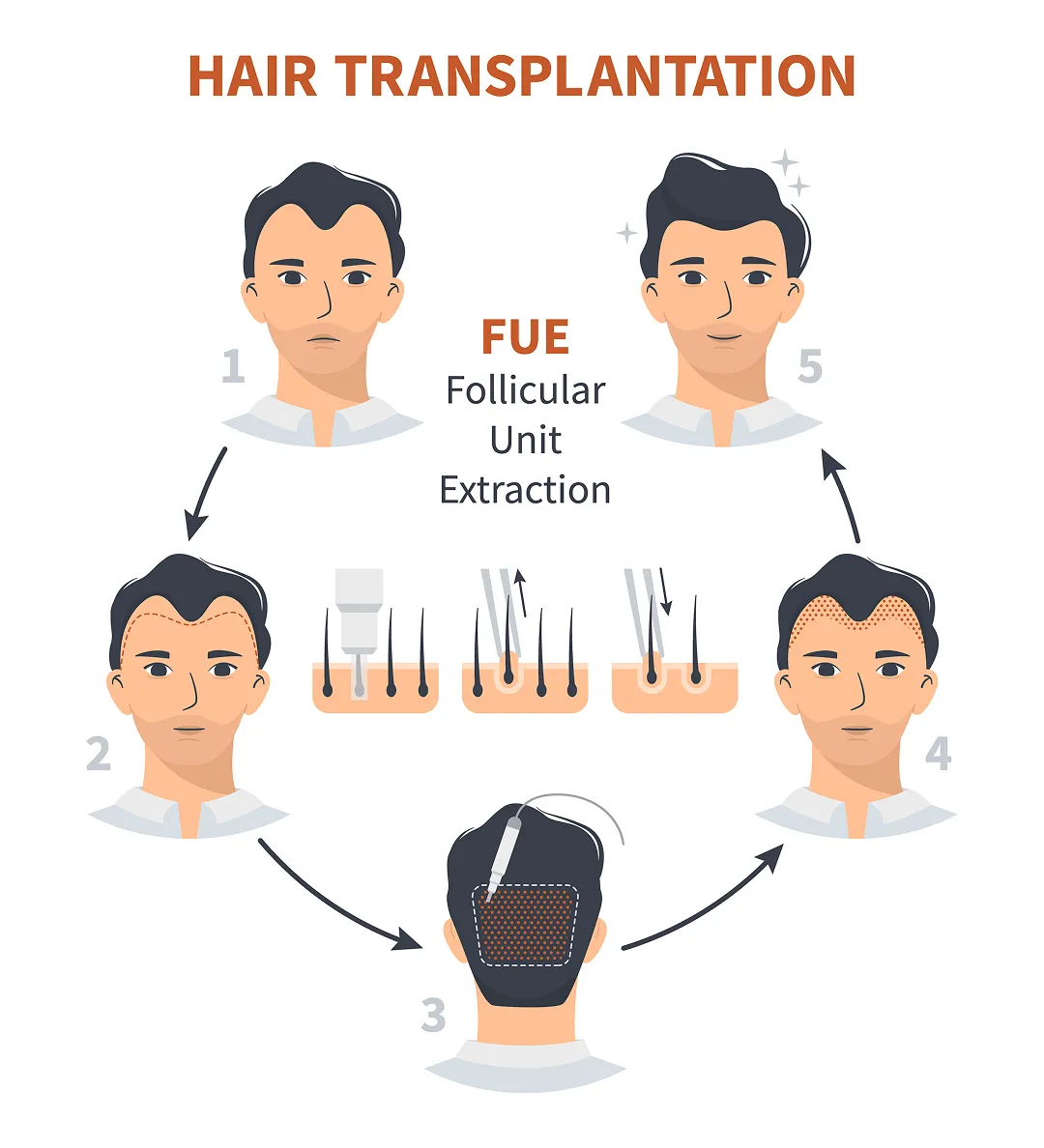
The hair transplant process involves several key stages, each designed to ensure that the procedure is as effective, comfortable, and natural-looking as possible. Here’s a breakdown of what to expect from start to finish:
- Assessment of hair loss: The process starts with a personal consultation with your surgeon or hair restoration expert. During this consultation, you’ll discuss your specific hair loss patterns, goals, and expectations. The surgeon will assess the degree of your hair loss, the quality and density of your donor area (usually the back or sides of your scalp), and help you understand which technique (FUE, RRT, or others) would work best for you.
- Medical history review: Your doctor will also take a detailed medical history to ensure that there are no contraindications for surgery, like underlying health conditions or allergies.
- Setting realistic expectations: A key part of this step is ensuring that you have realistic expectations for what the procedure can achieve. The surgeon will explain the expected results, the recovery process, and any potential limitations based on your hair loss and donor area.
- Post-Operative Care: After the procedure, we provide comprehensive post-operative care instructions specifically for hair transplant for men. These instructions are designed to promote healing and optimize results. We guide men on proper hair washing techniques, advice on avoiding activities that may affect healing, and provide medications to manage any discomfort.
Benefits of Hair Transplant for Men
A hair transplant offers a variety of benefits for men, especially those struggling with hair loss or thinning. Not only can it restore a natural, youthful appearance, but it also brings emotional, psychological, and social advantages. Here's a detailed breakdown of the benefits of a hair transplant for men:
- Long-term results: Unlike temporary fixes like wigs, hair fibers, or medications, a hair transplant provides a permanent solution to hair loss. Once transplanted, the hair follicles continue to grow for a lifetime, making this a lasting investment in your appearance.
- Minimal maintenance: After the procedure, there’s little to no ongoing maintenance required. The transplanted hair behaves like your natural hair, so you won’t need to use special products or undergo frequent treatments.
- Permanent solution: Unlike temporary solutions like wigs or hairpieces, hair transplants offer a permanent solution to hair loss.
- Low maintenance: Once the transplanted hair grows, it requires no special maintenance and can be handled just like your natural hair.
Preparing for Your Hair Transplant
- Schedule an Appointment: The first step is to book a consultation with a qualified hair restoration surgeon. During this appointment, the surgeon will assess your hair loss pattern, discuss your goals, and help determine the best technique (such as FUE, RRT or other ) for you.
- Medical History: Your surgeon will review your medical history, including any conditions, medications, allergies, or previous surgeries that might affect the procedure or healing process. Be honest and thorough with your answers to avoid complications.
- Cost-effective: Ultimately, The hair transplant cost in India may be more economically advantageous than for others, as it typically provides a higher return on investment in terms of long-term appearance and self-confidence.
Results
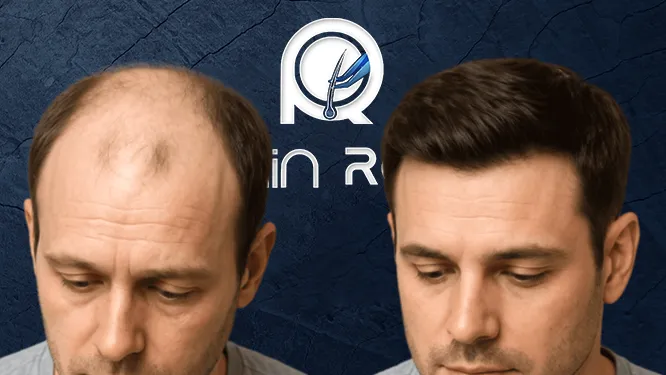
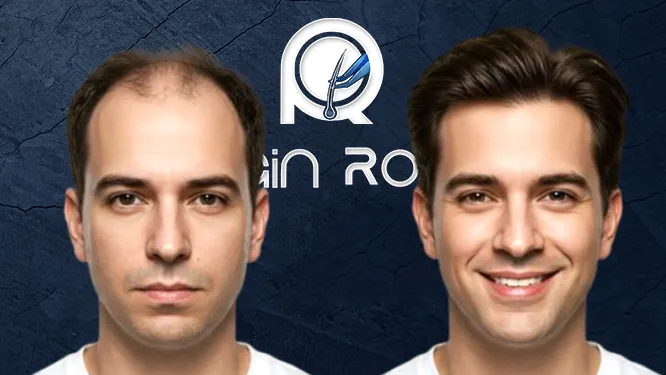
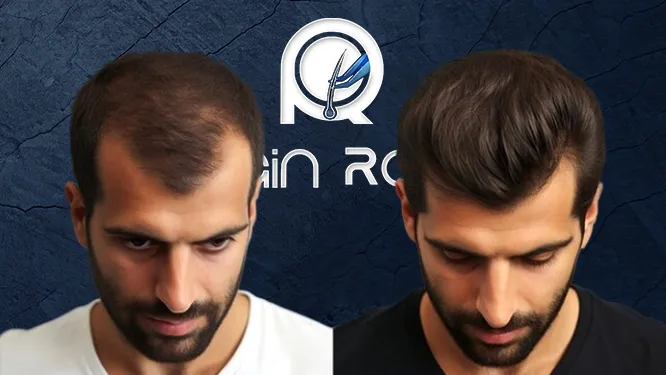
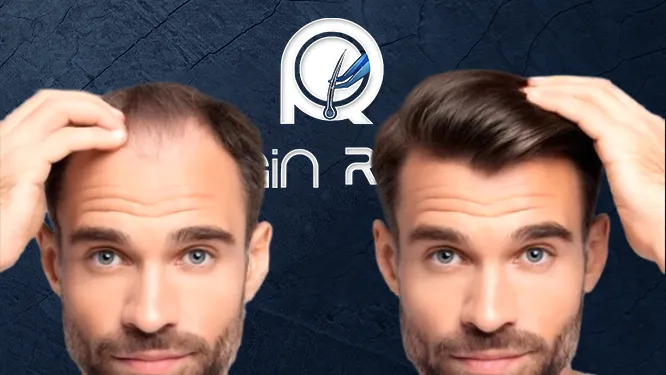
Hair Transplant Results